How to choose between rubber hose and HDPE pipe
A practical decision matrix for every stage of a dredge line — from the ladder to the shore.
Start from the section, not the price list
A dredging pipeline is never one material. The ladder and pump inlet demand flexibility and vacuum resistance, the long main run demands corrosion-free economy, and the crossing between them demands something that tolerates movement.
Rubber hose (SRH / DRH / FRH) wins wherever the line flexes, vibrates or works under negative pressure. HDPE PE100 pipe wins wherever the line is long, straight and permanent.
Suction side: rubber only
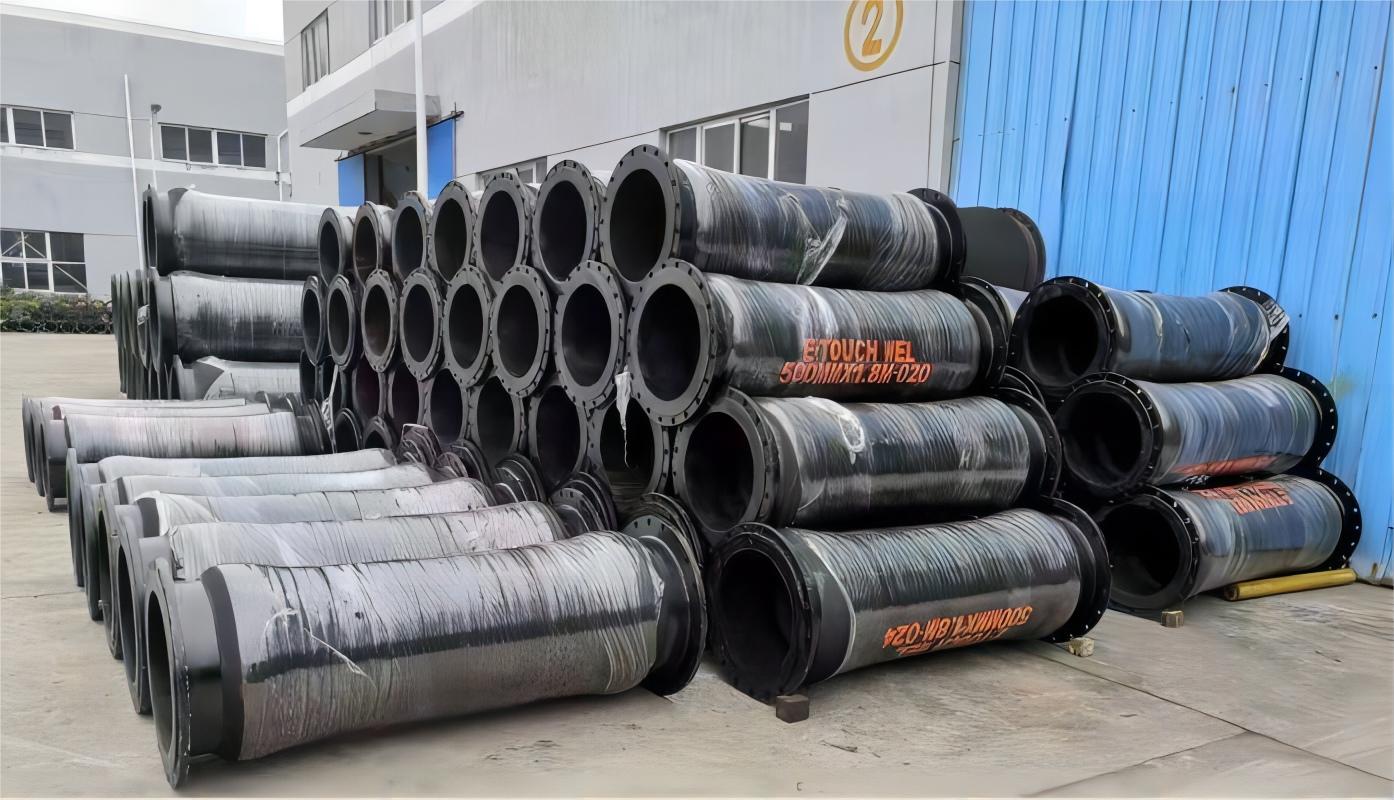
Between the suction head and the pump the line sees up to -0.8 bar. Only spiral steel-wire reinforced suction hose (SRH) will hold that vacuum without collapse, while damping pump vibration at the inlet.
Discharge side: it depends on distance
Short transition sections, bends and inclines belong to steel-wire or fabric-braid discharge hose (DRH) at 1.0–2.5 MPa with a 3× burst safety factor.
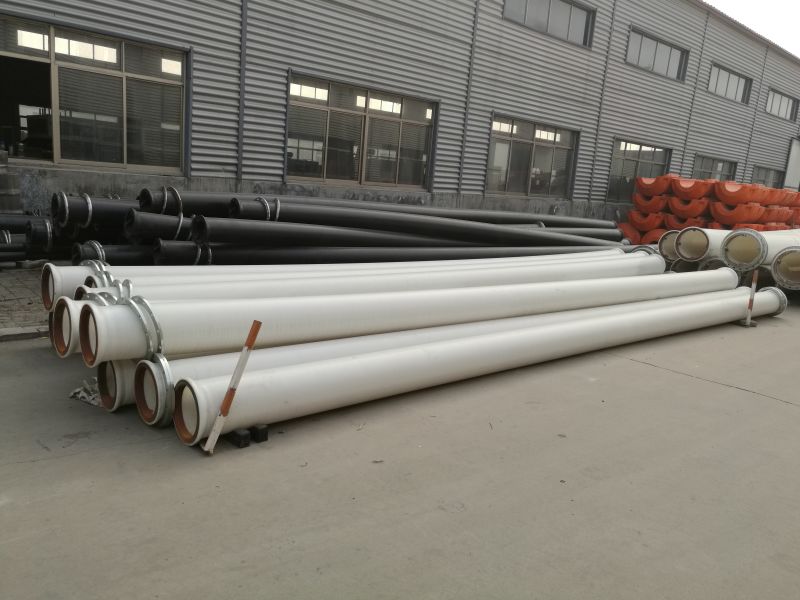
Beyond a few hundred metres, PE100 pipe in DN 110–1600, PN 6–16, is far cheaper per metre, weighs one eighth of steel and gives 40+ years of design life without corrosion.
Across water
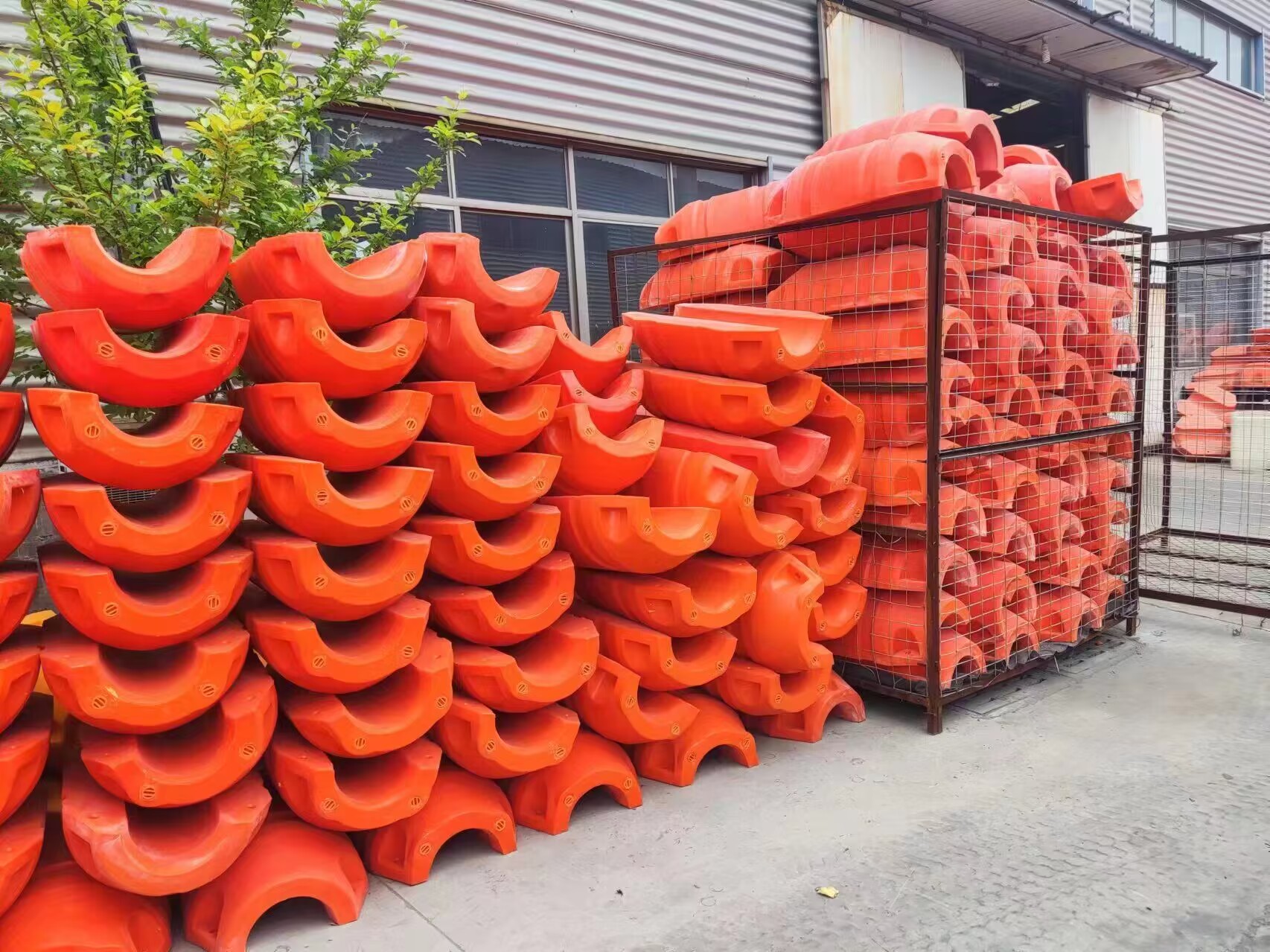
Two valid answers: flexible floating hose (FRH) with an integrated closed-cell foam layer that keeps ≥30% of the O.D. above water, or HDPE pipe carried by clamp-on MDPE pipe floaters (FLT) sized 80–520 kg of buoyancy each.
Need this specced for your site?
Send diameter, working pressure and deployment environment — we reply with a matched solution within 24 hours.
Get A Matched Solution